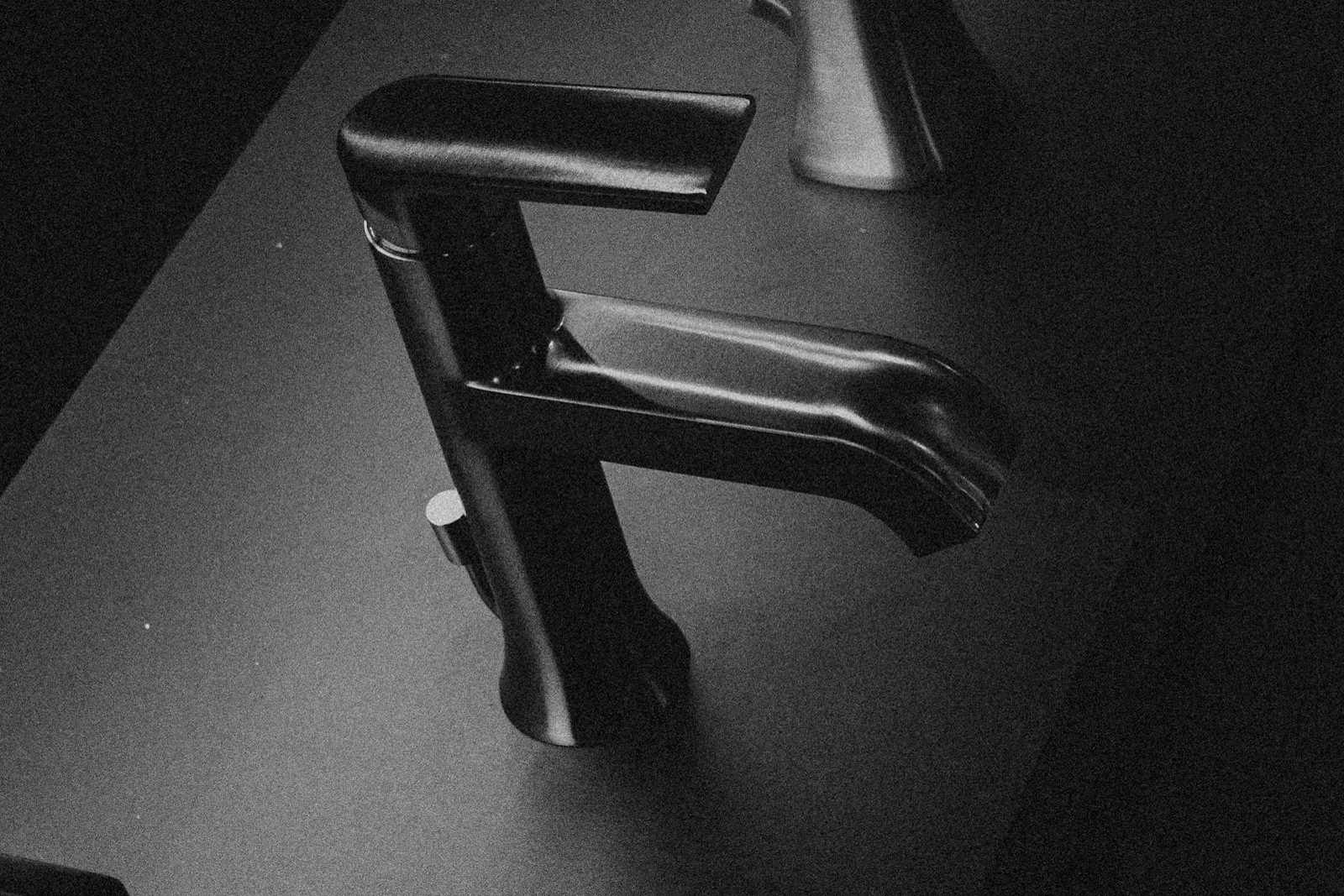
Why tapware finish matters
Tapware is touched more than anything else in a bathroom. Mixers, spouts, shower heads and rails are used several times a day, splashed constantly and cleaned regularly. The finish you choose affects how the bathroom looks, how often you need to clean, how water spots and fingerprints show and how well the tapware ages. It also ties together the other metal elements in the room: towel rails, robe hooks, the toilet roll holder, shower screen hardware, drawer handles and the waste outlets.
This guide explains the most common tapware finishes, how they are made, how they perform in everyday use and what to consider in Drouin and West Gippsland homes, where many properties use tank or bore water.
How tapware finishes are made
Most bathroom tapware is made from brass, which is durable and resists corrosion. The visible finish is applied over the brass by one of several processes.
Electroplating
Chrome is applied by electroplating, which deposits a thin, hard metallic layer over a nickel base. Electroplated chrome is extremely durable when well made and has been the standard for decades.
Physical vapour deposition
Physical vapour deposition, often called PVD, bonds a very thin, very hard coating to the surface in a vacuum chamber. PVD is used for many brushed brass, gunmetal, rose gold and brushed nickel finishes. A quality PVD coating resists scratches and fading well.
Powder coating and painted finishes
Many matt black and matt white finishes are powder coated: a fine powder is applied and baked to form a durable coating. Quality varies considerably between manufacturers. Better powder coats resist chipping and fading, while lower-quality coatings may wear at contact points over time.
Stainless steel
Some tapware is made from solid stainless steel with a brushed or polished finish. Stainless steel is naturally corrosion-resistant and does not rely on a coating.
The finishes compared
Polished chrome
Polished chrome is bright, reflective and timeless. It suits almost any style, from classic to contemporary, and quality chrome is very durable. It is easy to clean with a soft cloth and mild detergent. Its main drawback is visibility: water spots, fingerprints and soap residue show clearly on a mirror-like surface, especially with hard water. Chrome also coordinates easily with the widest range of accessories and shower screen hardware.
Brushed nickel
Brushed nickel has a soft, satin sheen with fine brushed lines. It looks warmer than chrome and hides water spots and fingerprints better. It suits both modern and traditional bathrooms. Quality brushed nickel is usually PVD coated for durability. Matching accessories from different brands can be tricky, because shades vary.
Matt black
Matt black has become one of the most popular finishes in Australian bathrooms. It creates strong contrast against white or light tiles and suits modern, industrial and farmhouse styles. Matt black hides fingerprints reasonably well, but water spots and limescale can show as white marks, especially with hard water. The quality of the coating matters: a good matt black finish resists chipping and fading, while poorer finishes can wear. Clean with a soft damp cloth only, and avoid abrasive pads or harsh chemicals.
Brushed brass and brushed gold
Brushed brass brings warmth and a touch of luxury, pairing beautifully with natural stone, timber, terrazzo and soft neutral or green tiles. Quality PVD brushed brass resists tarnishing and wear. Shades range from pale champagne to deeper gold, so compare samples in person and try to buy all items from the same brand and range.
Gunmetal and graphite
Gunmetal is a dark grey metallic finish that sits between black and chrome. It suits contemporary bathrooms with concrete-look or stone tiles and hides water marks better than matt black. Like other PVD finishes, it is durable when well made.
Matt white
Matt white tapware gives a soft, minimalist look, often paired with white or pale tiles for a seamless effect. It needs careful cleaning, since marks and discolouration can show, and quality varies between brands.
Stainless steel
Brushed stainless steel offers excellent corrosion resistance and a modern look. It is popular for outdoor showers and laundries as well as bathrooms. It hides water spots well and is very durable.
Unlacquered or living finishes
Some premium tapware is offered in raw brass or copper without a protective coating. These finishes develop a patina over time. They suit people who enjoy an evolving look, but they require acceptance of change and specific care.
Tank and bore water considerations
Many homes around Drouin, particularly in Jindivick, Labertouche, Drouin South and Buln Buln, use rainwater tanks, and some use bore water. Rainwater is usually soft and kind to finishes. Bore water can be hard or high in iron and other minerals, which leave white scale or orange staining on tapware and glass.
If your water is hard or mineral-rich:
- Brushed finishes hide spotting better than polished ones.
- Matt black can show white scale clearly.
- A filter or softener may reduce scale.
- Regular wiping after use prevents build-up.
- Avoid acidic descalers on coated finishes unless the manufacturer approves them.
During the design consultation, we ask about your water supply and recommend finishes accordingly.
Matching finishes across the bathroom
A cohesive bathroom usually uses one main metal finish for tapware, shower fittings, accessories and screen hardware. Some designers deliberately mix finishes, for example brushed brass tapware with matt black screen hardware, but this works best when it looks intentional. Consider:
- Shower screen hardware: hinges, brackets and channels should match or deliberately contrast.
- Floor and shower wastes: grates are available in many finishes.
- Vanity handles: match the tapware or choose a complementary finish.
- Mirror frames and lighting: tie these into the scheme.
- Towel rails and heated rails: check that heated rails are available in your chosen finish.
Shades vary between brands, even within the same finish name. Buying tapware and accessories from one manufacturer’s range reduces mismatches.
Durability and warranties
Tapware warranties typically cover the body and cartridge for longer periods and the finish for a shorter period. Read the warranty terms carefully, especially for coloured finishes. Ask about:
- How long the finish is covered
- What cleaning products are permitted
- Whether replacement parts are available in the same finish
Quality tapware with a well-applied finish is worth the investment, because replacing tapware later means disturbing tiles and possibly waterproofing.
Cleaning and care by finish
- Chrome: mild detergent and a soft cloth, then dry. Glass cleaner can polish it.
- Brushed finishes: mild detergent, wiping in the direction of the brushing.
- Matt black and white: water and a soft microfibre cloth only. Avoid abrasive cleaners, bleach and acids.
- PVD coloured finishes: mild soapy water and a soft cloth.
- Stainless steel: mild detergent and soft cloth, wiping with the grain.
Never use scourers, steel wool, bleach-based cleaners or acid descalers on coloured finishes unless the manufacturer approves them.
Style guidance for Drouin homes
Weatherboard and farmhouse homes
Cross-handle taps in brushed nickel, brushed brass or matt black suit period homes and farmhouses. Combine them with subway or handmade-look tiles and timber vanities.
Brick veneer homes of the 1970s to 1990s
These homes adapt to almost any style. Many owners choose clean, contemporary pin-handle mixers in matt black or brushed nickel for a fresh, modern update.
New builds in Drouin’s estates
Newer homes often suit sleek, minimalist tapware with wall-mounted spouts and concealed shower mixers, in brushed finishes or gunmetal.
Making the decision
Visit a showroom to see and touch finishes in person, because photographs rarely show true colour and texture. Take home samples where possible and view them against your tiles and benchtop in your own bathroom’s light. Think about cleaning habits, water quality and how the finish will look in ten years.
At your design consultation, we can help you choose tapware that suits your water supply, your style and your household. Then we coordinate every fitting so the finished bathroom looks cohesive and performs reliably.
Concealed mixers and service access
Many modern bathrooms use concealed shower mixers and wall-mounted basin spouts. These give a clean look, but the mixer body sits inside the wall, behind the tiles and waterproofing. Quality matters, because accessing a concealed body later is difficult. Choose reputable brands with readily available cartridges, and make sure the body is installed at the correct depth so the trim fits neatly against the finished tile. With wall-mounted spouts, the outlet height and projection must suit the basin to prevent splashing. These details are worked out during rough-in, which is another reason to finalise tapware selections early.
Laundry and kitchen coordination
If you are renovating the laundry at the same time, consider using the same finish there. Laundry tapware works hard, with hot water for washing and hand-filling buckets. Choose a durable finish and a mixer with a tall spout that clears buckets. Some households also coordinate the kitchen tapware so the whole home feels consistent, although this is not essential.
Shower heads and rails
Shower heads come in many sizes. A large overhead rain head feels luxurious, but on tank water with modest pressure, it may deliver a weak flow. A smaller head, or a rail shower with an adjustable handpiece, often performs better and is easier to clean. Rail showers are practical for washing children, pets and the shower itself, and they suit accessible bathrooms because the handpiece can slide to any height. Many households choose a combination: an overhead head plus a hand shower on a rail, operated by a diverter. Make sure the finish of the head, arm, rail and hose all match.
Matching finishes across the room
Finishes from different brands, and even different ranges from the same brand, can vary slightly in colour and sheen. Brushed brass from one maker may look warmer than another’s. To keep a consistent look, choose tapware, shower fittings, towel rails and accessories from the same range where possible, or view samples together under your bathroom’s lighting. Remember that door handles, mirror frames and light fittings also contribute to the overall palette.
Caring for each finish
Wipe tapware with a soft damp cloth and dry it after use. Avoid abrasive pads, bleach and acidic cleaners, which can damage coatings on brushed, coloured and matte finishes. Chrome tolerates the most cleaning; specialty finishes need gentler care to keep their colour and sheen over time.
Thermostatic and pressure-balancing mixers
In homes with fluctuating water pressure, which is common on tank supply with a pump, a thermostatic or pressure-balancing shower mixer keeps the temperature stable when another tap is turned on. These mixers are available in most finishes and are particularly helpful for children and older people.
Our bathroom services
- Accessible Bathrooms
- Bathroom Design
- Bathroom Renovations
- Bathroom Tiling
- Ensuite Renovations
- Freestanding Baths
- Laundry Renovations
- Leaking Shower Repairs
- Shower Conversions
- Small Bathroom Renovations
- Vanities and Storage
- Waterproofing
Book a design consultation
Tell us about your bathroom and we will visit to measure, talk through ideas and prepare a clear written scope for your home.
Book a design consultation