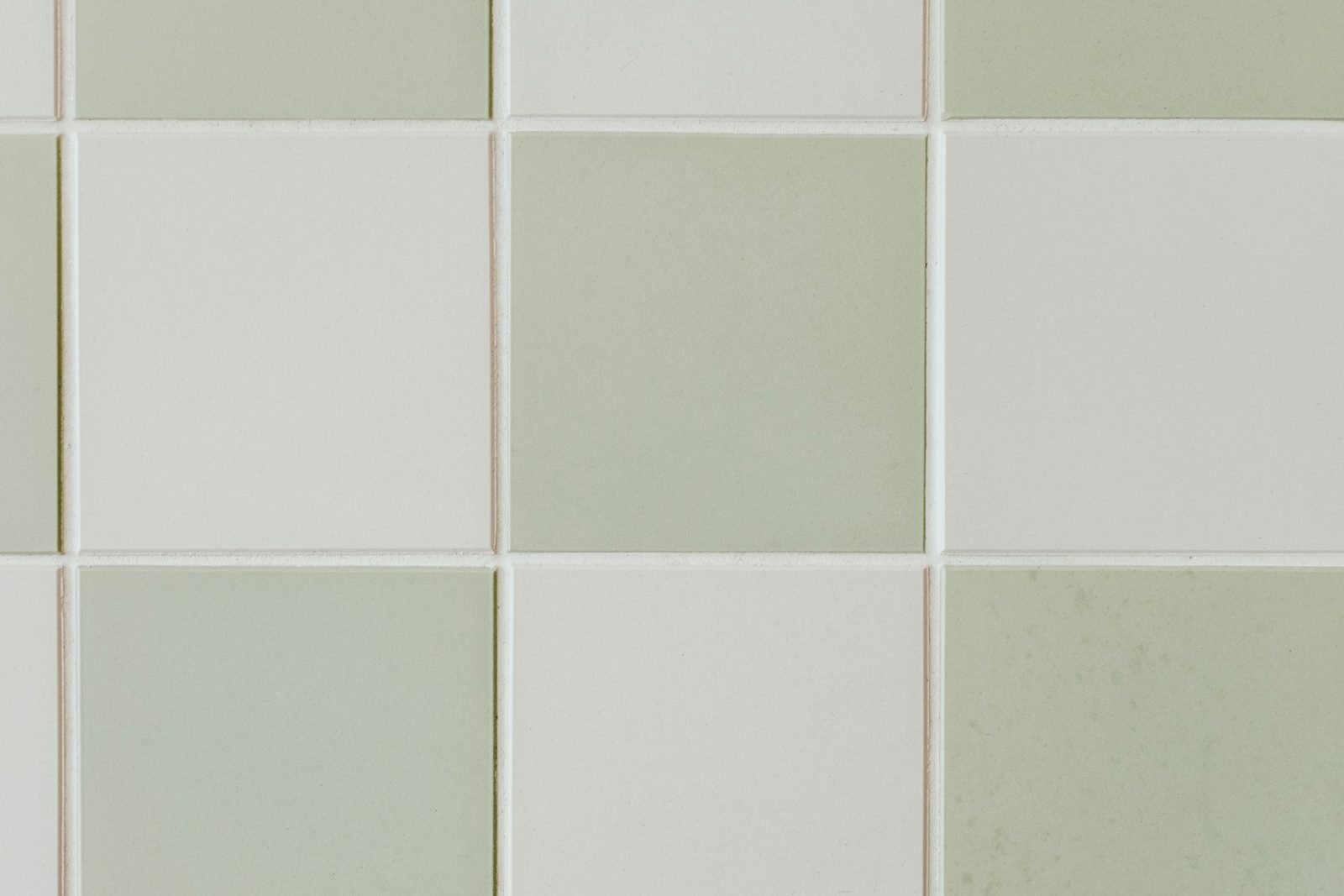
Tiling that looks right and stays right
Tiles are what everyone sees in a bathroom. They set the style of the room, and the quality of the tiling is obvious the moment you walk in. Straight lines, even grout joints, balanced cuts, neat edges and floors that drain properly are the marks of careful work. Uneven tiles, lippage between edges, slivers of tile in corners and puddles on the floor are the marks of rushed work.
We tile bathrooms, ensuites, laundries and feature areas throughout Drouin and the nearby towns, always as part of a complete wet area system built on correctly prepared substrates and AS 3740 waterproofing.
Planning the set-out
Good tiling starts long before the first tile is laid. We plan the set-out of each wall and floor so that:
- Cuts are balanced, avoiding thin slivers at corners, ceilings and edges.
- Grout lines align between walls and floors where possible.
- Feature lines and niches sit on full tiles or deliberate cuts.
- Tapware and outlets sit neatly within tiles or on grout lines rather than awkwardly across joints.
- Floor tiles follow the falls to the floor waste or linear drain.
This planning makes the difference between a room that looks considered and one that looks improvised.
Choosing tiles
Porcelain
Dense, durable and low in water absorption, porcelain is the most common choice for bathroom floors and walls. It comes in a huge range of colours, sizes and finishes, including stone, concrete and timber looks.
Ceramic
Ceramic wall tiles are lighter and easier to cut, and suit walls well. Glossy ceramic tiles reflect light, brightening small rooms.
Natural stone
Marble, travertine, limestone and slate bring natural variation and a sense of quality. Stone needs sealing and more careful maintenance. See our guide on natural stone in bathrooms.
Mosaics
Small mosaics follow falls easily and provide good grip underfoot, making them useful for shower floors. They also make striking feature walls.
Handmade and textured tiles
Zellige-style tiles, finger tiles and textured surfaces create depth and character. They often need a careful layout and more grout attention.
Size and format
Large-format tiles create a calm, modern look with fewer grout lines. They need very flat substrates and careful handling to avoid lippage. On shower floors, very large tiles can make falls harder to achieve, so we may suggest a different tile or a linear drain that allows a single-direction fall.
Smaller tiles follow falls easily and provide more grout lines, which improve slip resistance underfoot. Rectangular tiles can be laid in stack bond, brick bond, herringbone or vertical patterns, each changing the feel of the room.
Slip resistance
Floor tiles in wet areas should have a slip resistance rating suited to their use. Shower floors in particular need tiles that remain safe when wet and soapy. We check ratings during selections and recommend suitable options, especially in accessible and family bathrooms.
Adhesives
Tile adhesives must suit the tile type, size and weight, the substrate and the location. Large-format and heavy tiles need adhesives that provide full coverage and strength. In wet areas, adhesives must be compatible with the waterproofing membrane. We follow manufacturer instructions and back-butter tiles where required to achieve proper coverage.
Grout
Grout fills the joints between tiles. Options include:
- Cement-based grout, the standard choice for most walls and floors, available in many colours.
- Epoxy grout, more stain and water resistant and easier to keep clean, but harder to apply and less forgiving.
- Pre-mixed and specialty grouts, used in particular situations.
Grout colour has a big effect on the finished look. We help you choose a colour that suits the tile and how much maintenance you want.
Movement joints and sealants
All buildings move slightly with changes in temperature, humidity and loads. Tiles and grout are rigid. Without allowance for movement, tiles crack and grout breaks. We install flexible sealant at internal corners, at changes of plane, around fixtures and at perimeters, and include movement joints in larger floor areas as required. These are not shortcuts; they are part of a durable tiled surface.
Tiling over timber floors
In older Drouin homes with timber floors, the floor must be stiff and stable before tiling. We check joists and bearers, add support where needed and lay a suitable substrate. Tiles laid over a floor that flexes will crack, regardless of the quality of tiles or adhesive.
Tiling and waterproofing work together
Tiles sit on top of the waterproofing system. The membrane must be fully cured before tiling, the adhesive must be compatible with the membrane, and tilers must take care not to damage it. Screen fixings, towel rails and accessories that penetrate tiles also pass through the membrane, so they must be sealed correctly.
Feature ideas
- A full-height feature wall behind the vanity or in the shower.
- A contrasting floor pattern, such as herringbone or encaustic-look tiles.
- Floor-to-ceiling tiling for a seamless look.
- A tiled niche lined with a contrasting mosaic.
- A tiled bench in a walk-in shower.
Tiling in laundries and toilets
Laundries and toilets need the same careful attention, particularly where there is a floor waste. Tiles must suit wet conditions and heavy traffic, and set-out should work around tubs, cabinetry and machines.
Preparing walls for tiles
Walls must be flat and plumb before tiling, especially for large-format tiles that show every bump. In older homes, timber studs can bow or twist over time. During the framing stage, we straighten walls by packing, planing or replacing studs, then line them with sheeting suited to wet areas. Getting walls right at this stage saves hours of adhesive build-up later and produces a cleaner finish where wall tiles meet ceilings, corners and floors.
Edges, trims and finishing details
How tiles finish at edges says a lot about the quality of the work. External corners can be finished with mitred tile edges, metal or PVC trims, or bullnose tiles. Mitred edges look sharp but need precise cutting and care, since thin edges can chip. Trims are more durable in busy areas and come in finishes that complement tapware. Where tiling stops partway up a wall, the edge must be straight and finished neatly. Around windows, the reveals should be tiled or finished so water cannot sit on the sill. We agree these details with you during selections so there are no surprises.
Heated floors and tiles
In-floor heating sits beneath the tiles, laid in a thin bed of adhesive or levelling compound. Tiles conduct heat well, so the floor warms evenly. Heating cables must be laid carefully, tested before and after tiling, and not cut or damaged. The adhesive and tile choice must suit heated floors. If you are considering floor heating, mention it early, because it affects floor levels and the sequence of work.
Grout maintenance
Even the best grout needs a little care. Cement-based grout can be sealed to improve stain resistance. Clean grout with a soft brush and pH-neutral cleaner, avoid harsh acids and bleach, and rinse well. Epoxy grout needs less maintenance and resists staining but should still be cleaned regularly. If grout cracks or comes away, have it inspected, as it can be a sign of movement or water damage beneath.
Matching tiles in partial repairs
When only part of a tiled area is being replaced, finding matching tiles can be difficult, especially for older bathrooms. We look for close matches, suggest deliberate contrasts that look intentional, or recommend retiling a complete wall or floor for a consistent result.
Common questions about bathroom tiling
Can you tile over existing tiles? It is sometimes possible on walls outside wet zones, but in showers and wet areas we remove old tiles so the waterproofing can be inspected and rebuilt.
Can I choose large tiles for the shower floor? Sometimes. A linear drain helps. We discuss the options during selections.
How long before I can use the shower? Grout and sealants need to cure. We advise the timing at handover.
Do you seal natural stone? Yes, stone is sealed as part of installation, and we explain ongoing care.
Book a design consultation
If you are planning new tiling in a bathroom, ensuite or laundry in Drouin or nearby, book a design consultation. We will help you choose tiles that suit the room and explain how we will lay them.
Areas we service
- Buln Buln
- Bunyip
- Darnum
- Drouin South
- Drouin West
- Drouin
- Garfield
- Jindivick
- Labertouche
- Longwarry
- Nar Nar Goon
- Neerim South
- Tynong
- Warragul
Book a design consultation
Tell us about your bathroom and we will visit to measure, talk through ideas and prepare a clear written scope for your home.
Book a design consultation